Manufacturing Technology
JIN-TI's core strengths: 40 years of tool steel expertise × Japanese 5-axis equipment × automated measurement × robotic collaboration
Technology Overview
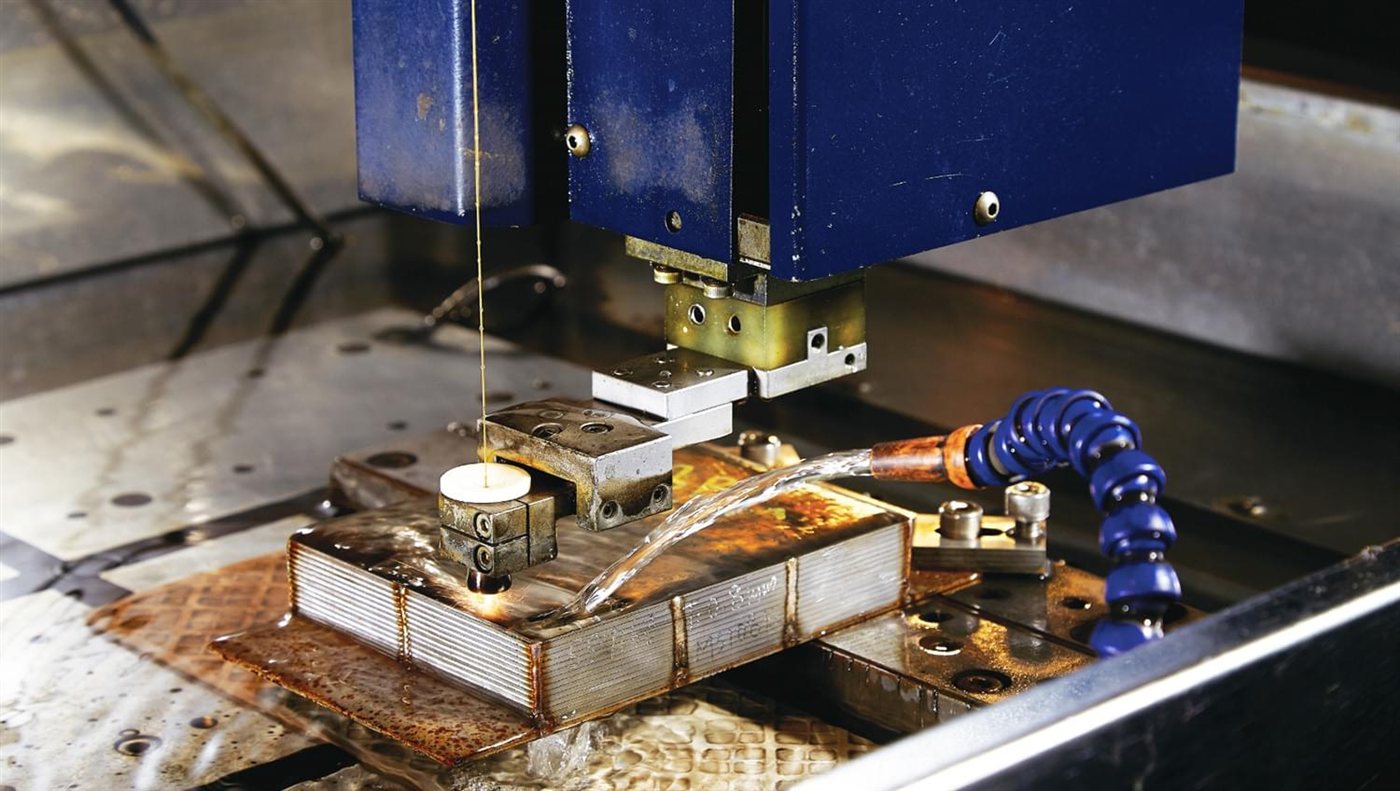
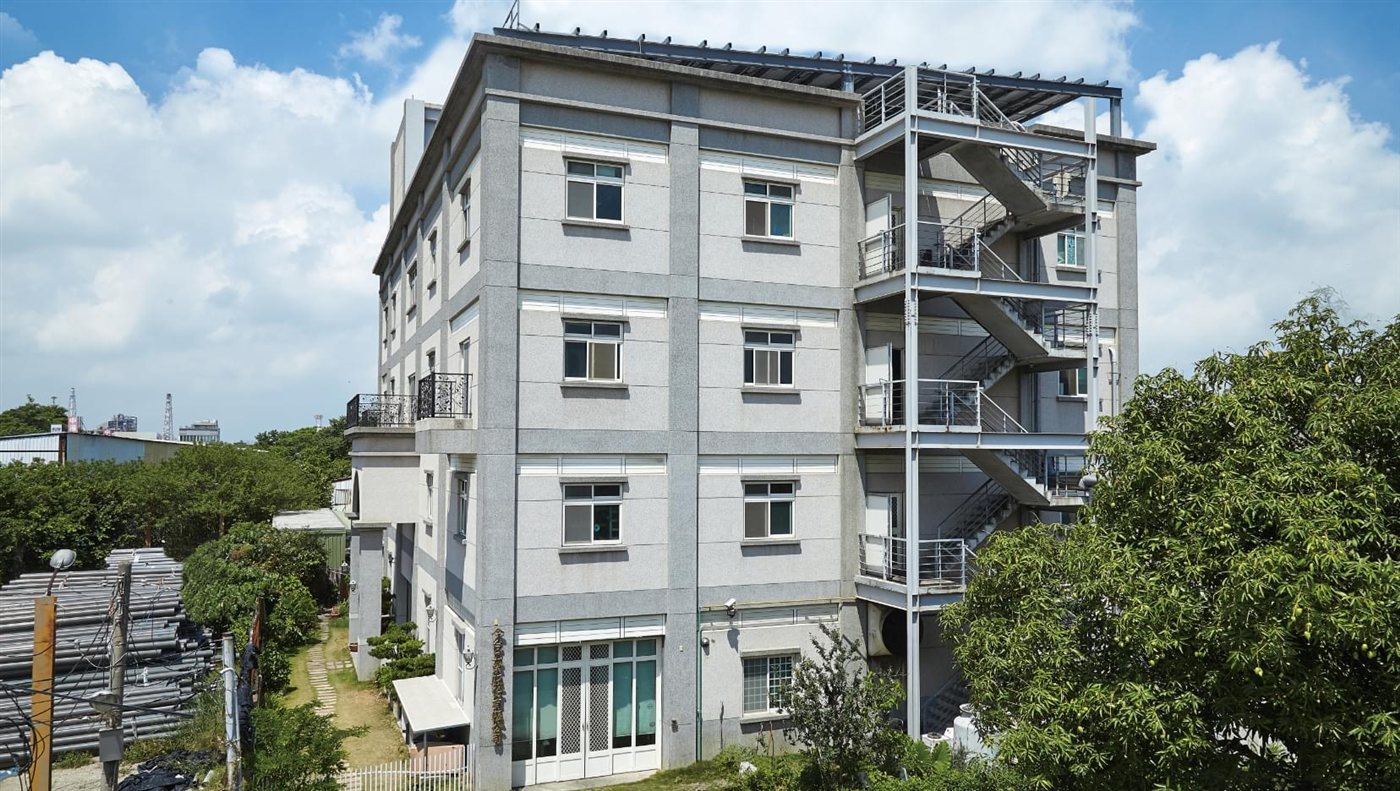
Based in Changhua, Taiwan, JIN-TI Industrial has specialized in precision tool steel machining for over 40 years. Our facility integrates the core processes in-house: CNC milling, Japanese 5-axis machining, precision wire-cut EDM, grinding, and tempering heat treatment — supported by automated measurement systems and robotic production lines, covering everything from material selection to finished parts.
Operating under an ISO 9001:2015 quality management system with routine tolerance control at the ±0.01 mm level and best achievable tolerance of ±0.002 mm on critical milled features, subject to material and process, we serve international customers across three verticals: sewing machines, semiconductor equipment, and medical devices. Every batch carries complete production and inspection records for full traceability.
Japanese 5-Axis CNC Machining
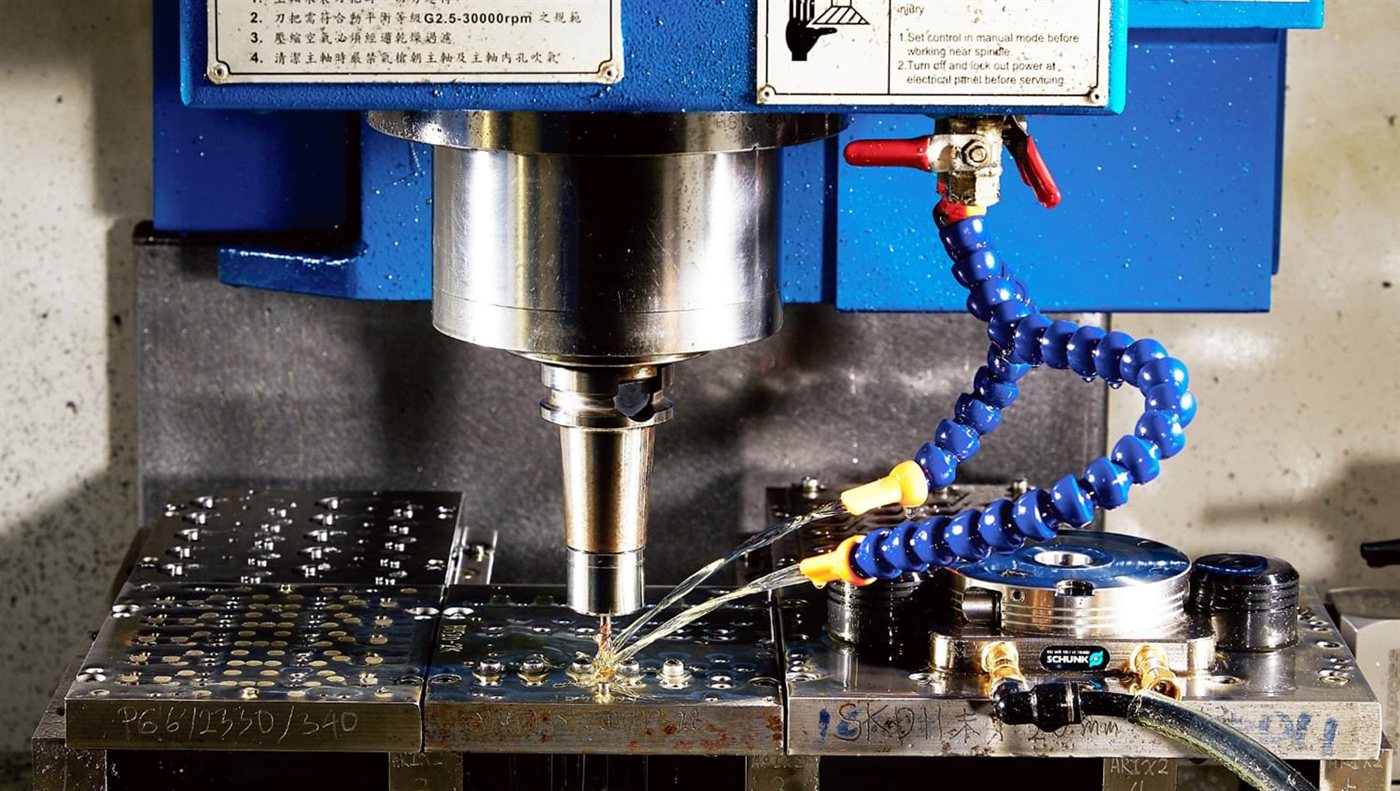
Our shop floor is equipped with premium Japanese 5-axis milling machines that complete multi-face machining of complex geometries in a single setup. Compared with conventional 3-axis machining that requires repeated refixturing, 5-axis machining greatly reduces cumulative positioning error, delivering more stable accuracy and consistent surface quality.
This capability is ideal for geometrically complex, tight-tolerance sewing machine mechanism parts and semiconductor equipment components. Combined with CAM program management and tool-life control, it ensures repeatability in volume production.
Automated Measurement Systems
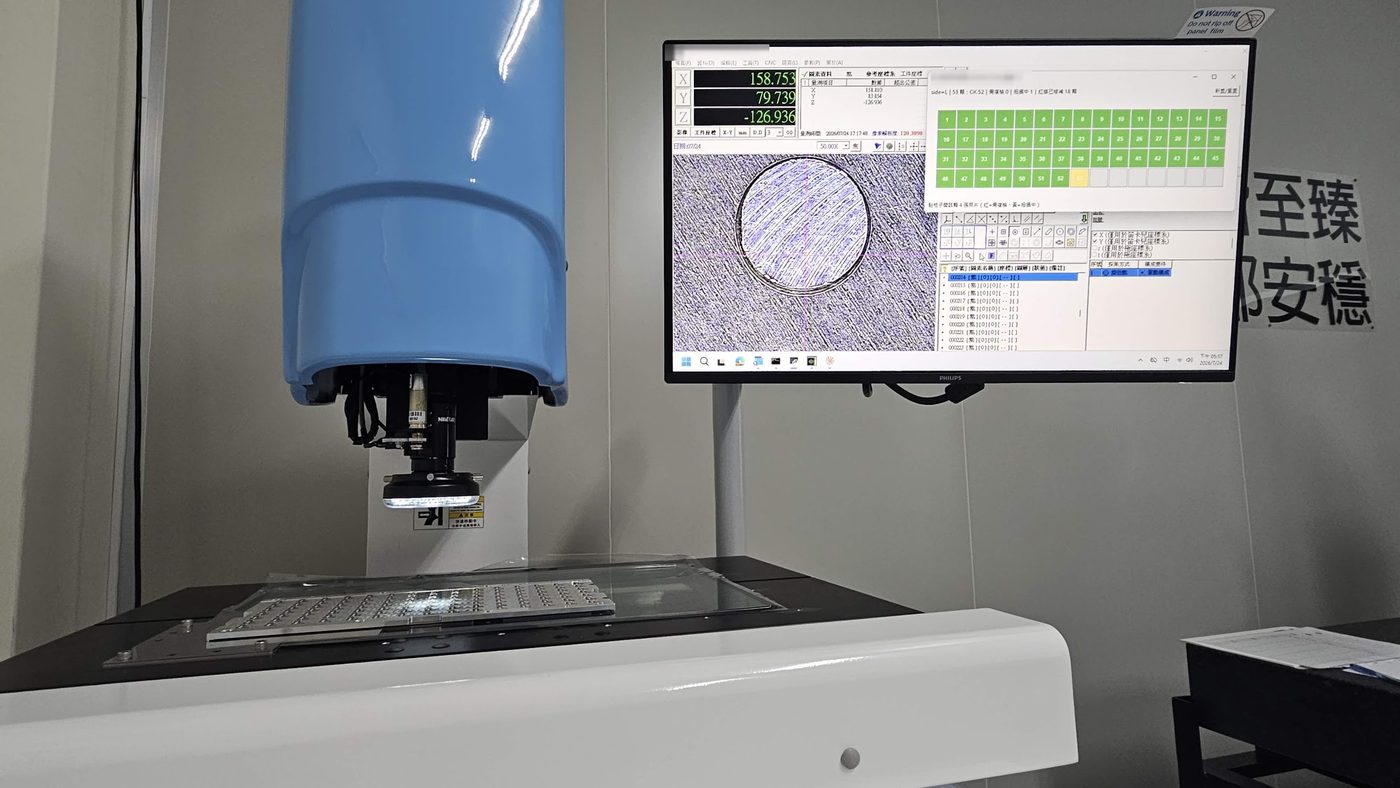
Automated measurement runs throughout our production flow, digitizing quality data with automated vision measurement systems and multi-axis precision instruments. Results feed back to the shop floor in real time, so dimensional drift is caught before it can become a batch defect.
Critical dimensions are inspected 100% or by sampling plan according to the inspection scheme, and measurement reports can be supplied with each shipment for full visibility into batch quality.
AI Visual Defect Inspection
Dimensions are handled by metrology; appearance is handled by AI. JIN-TI trains vision models on real production images to judge surface condition — not merely pass or fail, but the location, class and confidence of each defect. Separate models are built for distinct regions such as chamfers, hole edges and weld pads, because the defect modes in those regions genuinely differ; forcing one model across all of them degrades accuracy everywhere.
Models are version-controlled inside our ERP: every version records its training date and accuracy, and is bound to the inspection record. That means any batch can be traced back to the exact model version that judged it — the standard objection to AI in quality control is "what happens to earlier judgements when you replace the model", and we can answer it.
AI inspection runs alongside human review. The model surfaces suspect parts; the final call remains with the inspector. The goal is not to replace people, but to direct their attention to the parts that actually need judgement.
Robotic Arm Collaboration
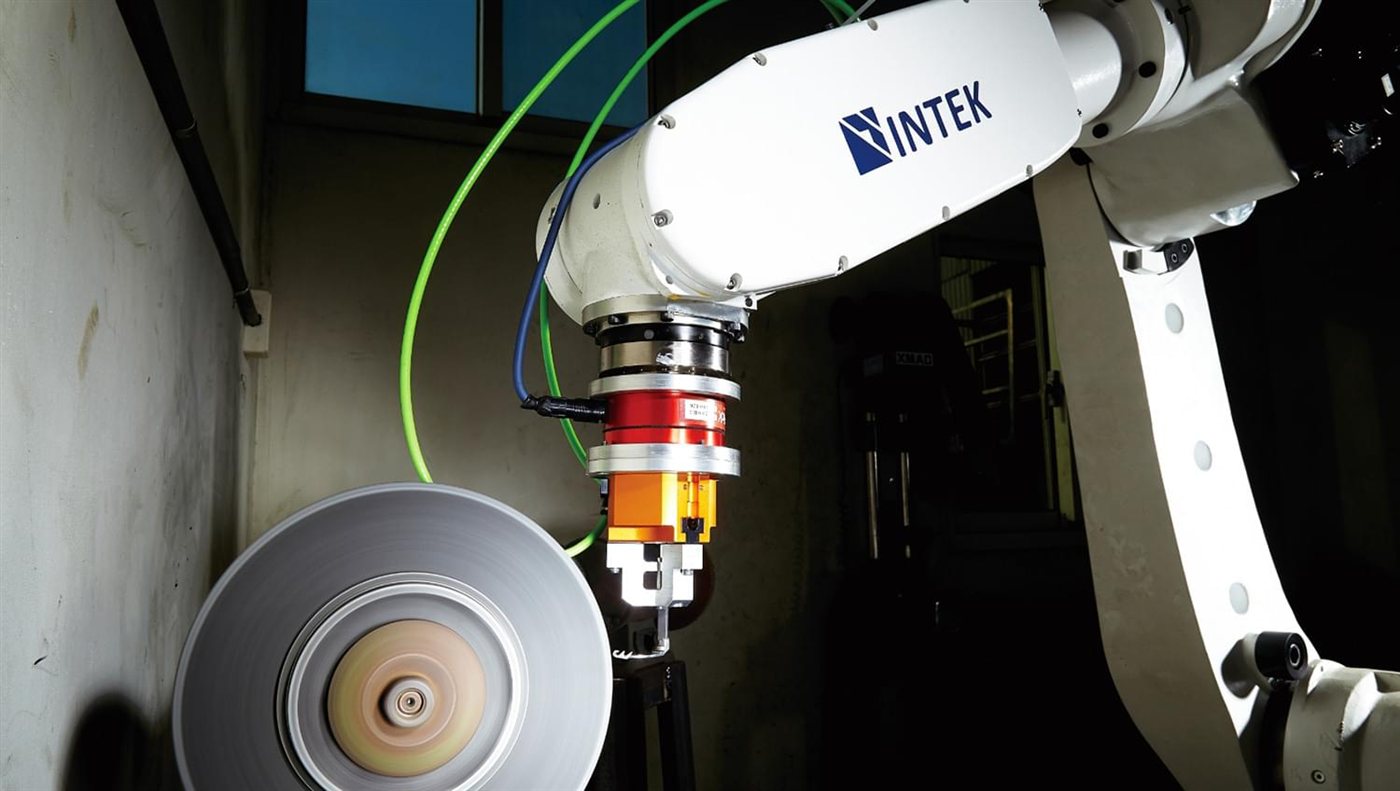
Robotic production lines handle repetitive operations such as loading/unloading, transfer, and grinding — stabilizing cycle times, reducing human variation, and freeing skilled operators to focus on inspection and machine setup.
Flexible line configurations mixing automation with manual work let us maintain both quality and delivery for high-mix low-volume as well as high-volume orders.
Tool Steel Machining & Heat Treatment
Four decades of tool steel experience form JIN-TI's foundation. We know the machining and heat-treatment behavior of common tool steels such as SKD11, SKD61, and high-speed steel. Our in-house tempering furnace performs tempering and stress relief, with induction-based localized heat treatment applied where a part requires it — stabilizing dimensions and preventing deformation in service.
Where wear resistance matters, PVD coating applied by our long-term partner coaters adds surface hardness and abrasion resistance, extending the service life of high-wear components; JIN-TI specifies the coating type and verifies it at incoming inspection.
Laser Cutting & Laser Welding
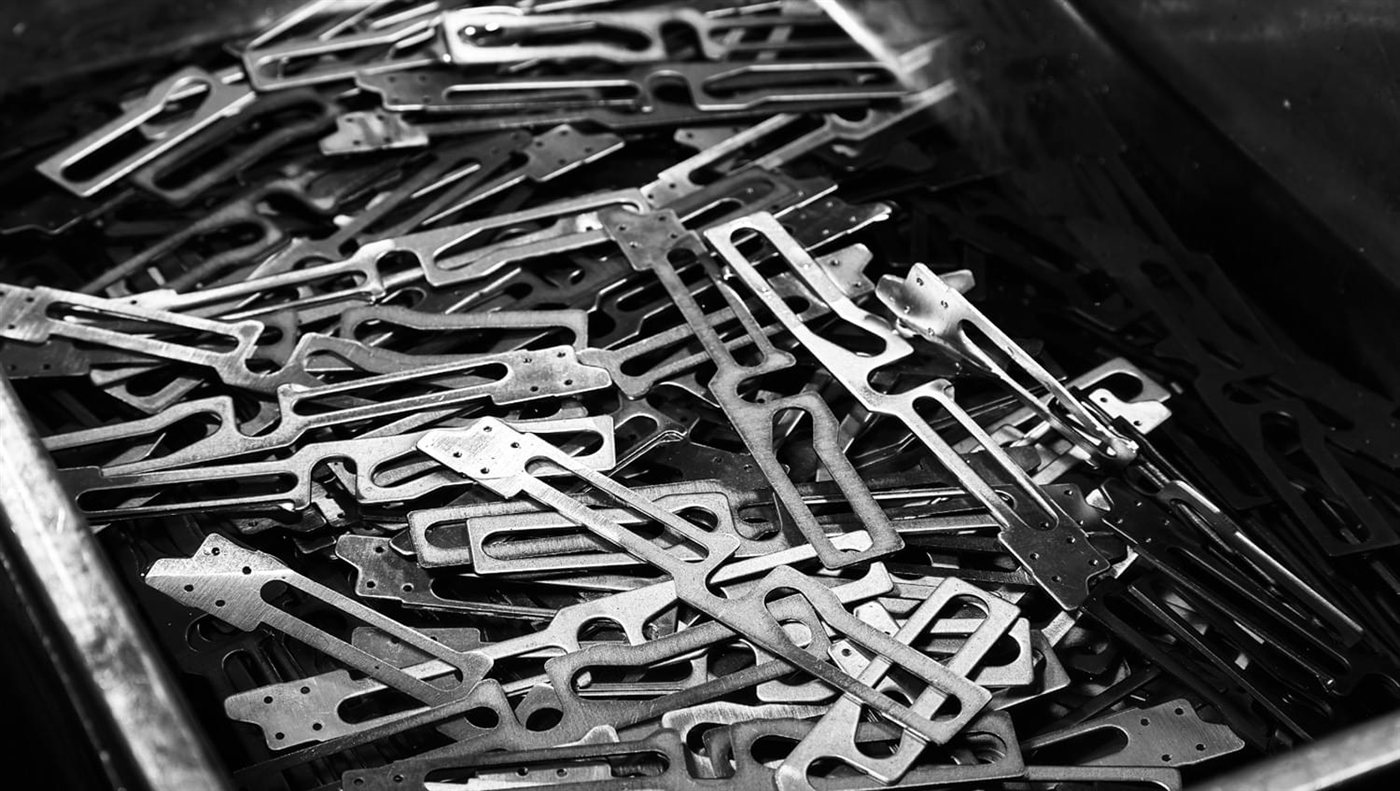
Fiber laser cutting is used on sheet metal up to 3 mm. Hardness testing confirms no annealing or softening in the region adjacent to the cut — edge hardness is not degraded by the cutting process. For blade components that are cut after heat treatment, this is a decisive condition.
Laser welding handles sheet as thin as 0.25 mm, with a light weld mark and no scorching. Welding parameters are not set by operator instinct: a process window study runs the grid of laser power against welding speed, judges the output at each combination, and only then fixes the standard condition.
This welding process has completed IQ / OQ / PQ validation and passed an on-site supplier audit within a European medical device brand supply chain. The audit was stringent enough that even the oxidation discolouration of the weld seam formed part of the acceptance criteria, alongside burr and end-form checks. Joint strength is tested on our in-house tensile tester against the customer standard, with all samples passing.
Process Integration and Supply Chain Control
Core processes — material selection, rough and finish machining, precision wire-cut EDM, grinding, tempering and localized heat treatment, and measurement — are completed in-house. Hardening, PVD coating, and stamping are performed by long-term partner shops working to JIN-TI specifications, with incoming inspection on return.
Outsourced steps sit inside the same ERP traceability chain: every batch carries its own document number linking back to the partner shop, the processing lot, and the inspection result. A process being outside our walls does not mean it is outside our control — what matters is whether every stage is recorded.